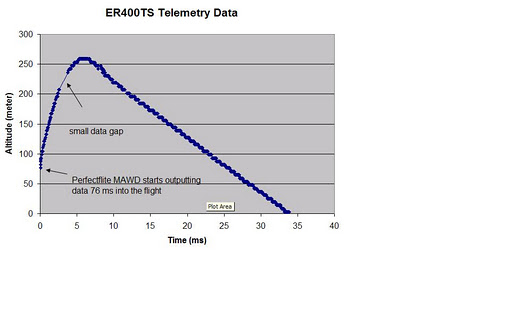
Initial test to characterize an APCP propellant.
https://www.youtube.com/watch?v=7fBb1HXpNIo
Initial test to characterize an APCP propellant.
https://www.youtube.com/watch?v=7fBb1HXpNIo
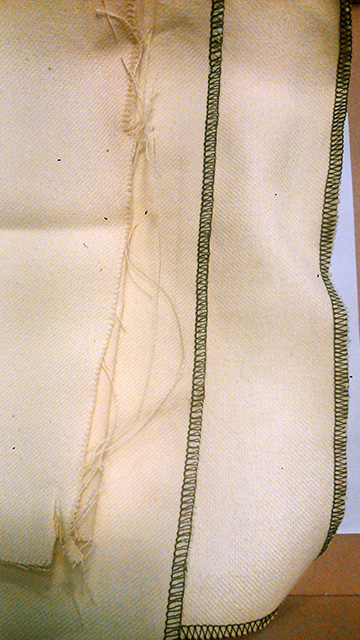
To protect the nylon parachute from the hot gasses of the black powder ejection charges, the parachute will be wrapped in kevlar cloth. Here’s a close-up of the unlocked and locked kevlar fabric. Kevlar can be purchased from Extreme Textile in Germany.
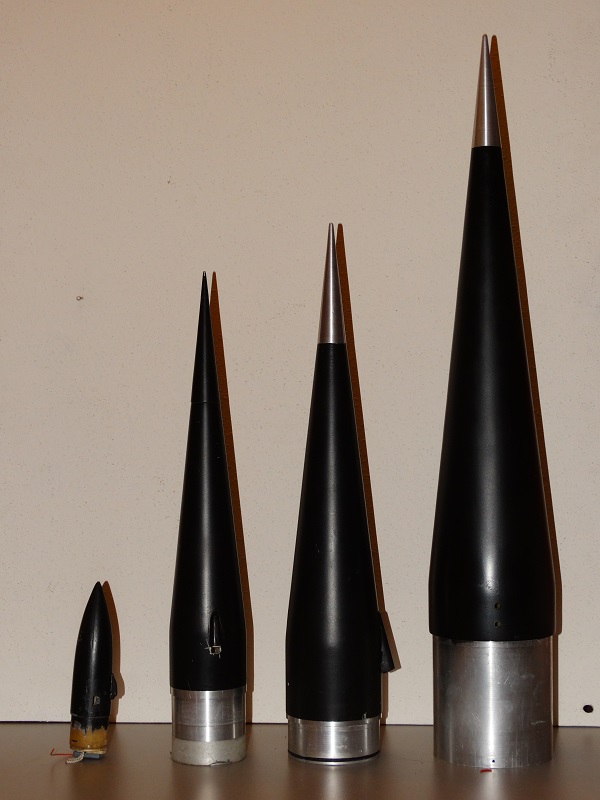
Nose cone evolution (left to right: 40mm Spro, 80mm XOZ, 100mm XOZ-XL and 130mm Chiron 2 nose cone
Now that the Chiron project is evolving quickly, a new logo was designed for the Chiron rocket. The logo depicts the centaur Chiron launching the Chiron rocket.
In the chiron 1 design, the fincan was contructed from a 140mm aluminium tube with 3mm carbonfiber fins. The stiff carbonfiber plates were lightweigth, however this advantage was lost by the use of aluminium strips to attach the fins to the main tube. Furthermore, the construction of the aluminium strips was very complex and time consuming. An easier and perhaps stronger construction method was chosen for the Chiron 2.

Fig. 1. Chiron 1 fincan.
For the Chiron 2, a welded aluminium fincan construction was chosen. For this three custom-size 6082 plates 4mm were ordered from Friesland Non-Ferro Metaal bv. The 140mm*4 6060 aluminium tube was ordered from aluminium op maat. To assure a good alignment of the fins, a 4mm wide grove was milled into the longitudinal direction of the tube. The leading edge of the fins were sharpened using a belt grinder.
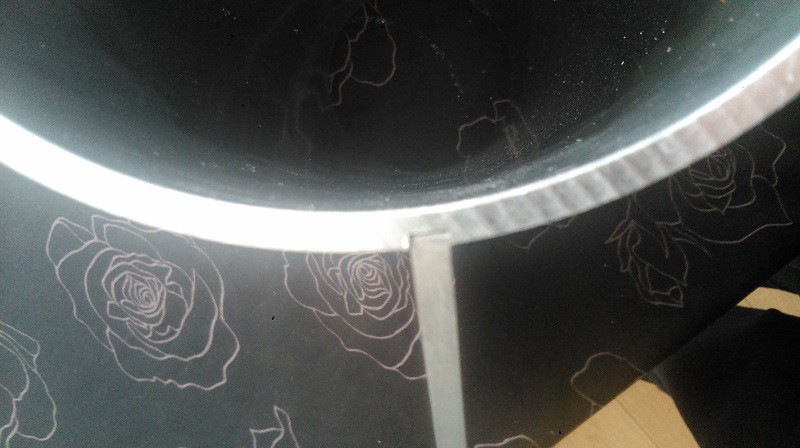
Fig. 2. Chiron 2 fincan. A 4mm wide grove was milled into the longitudinal direction.
To assure a perfect 90 degree angle of the fins on the fincan, a template was designed in autocad. The template was cut from plywood using a lasercutter (Fablab Groningen).

Fig. 3. Chiron 2 fins held in the correct postition using the laser-cut plywood template.
Using the template, the fins were subsequently welded to the can. As the welding of aluminium is something outside of my technical skills, this job was left in the capable hands of Jeroen van der Gaag of the lasserij in Groningen. To reduce deformation and stress in the material, the fins were welded at three positions rather than over the full lenght of the fincan.
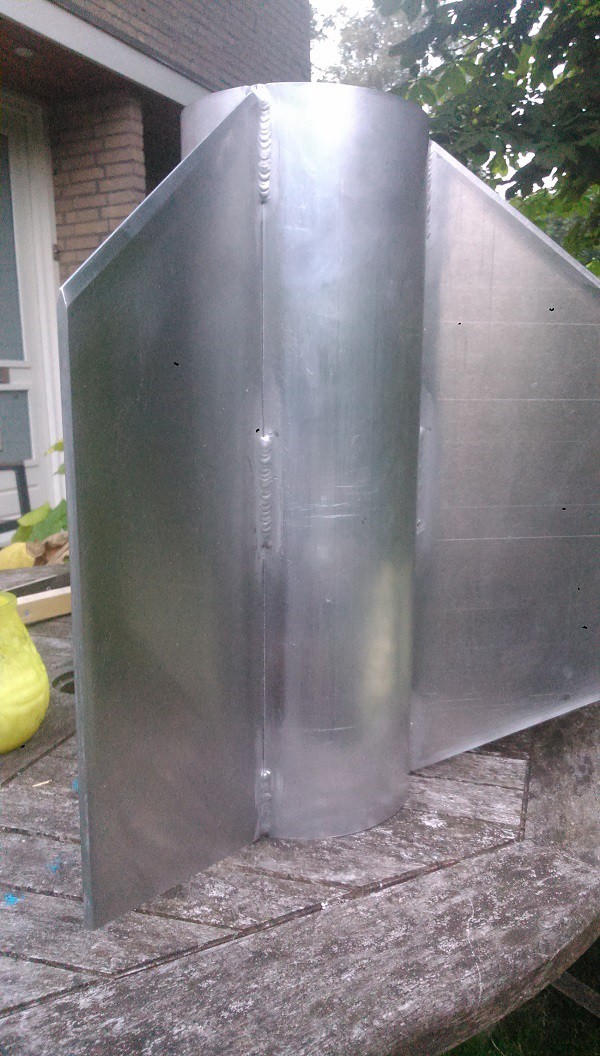
Fig. 4. The finalized fincan of the Chiron 2 rocket.
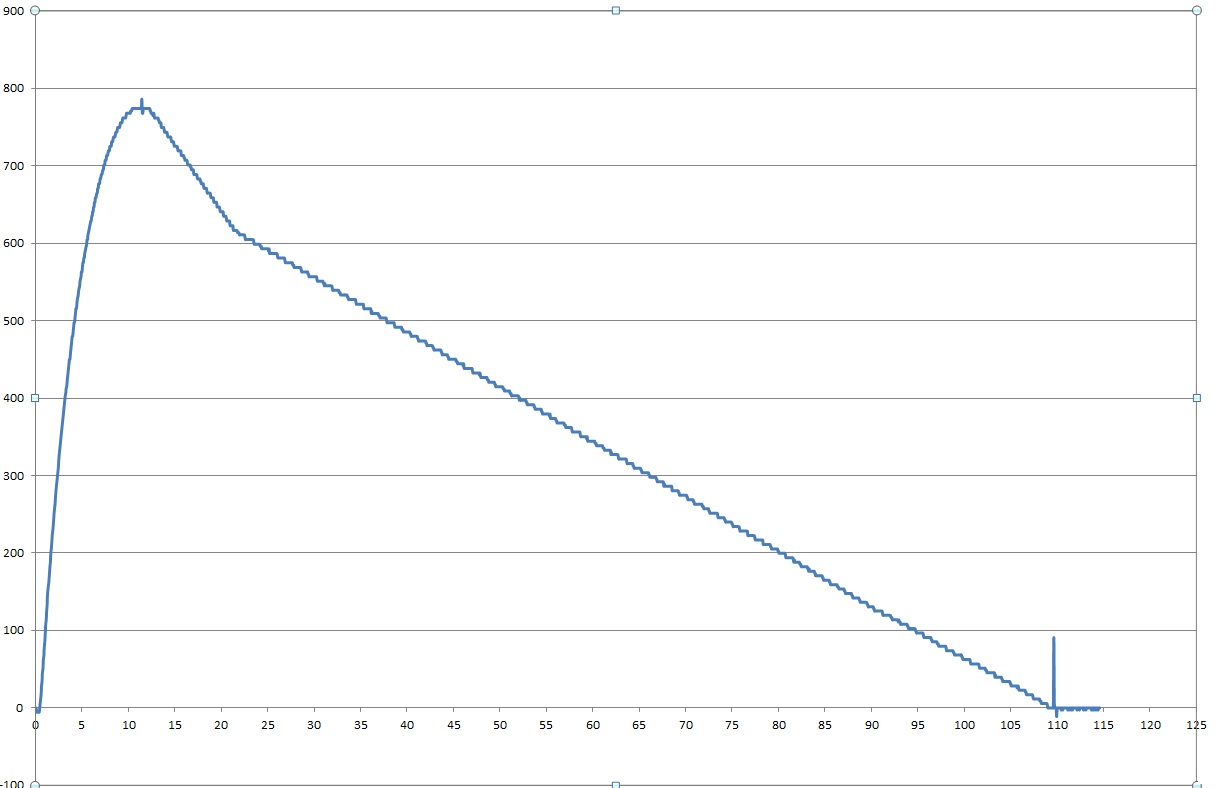
Test using new formulation ground KNO3/sorbitol/ catalyst
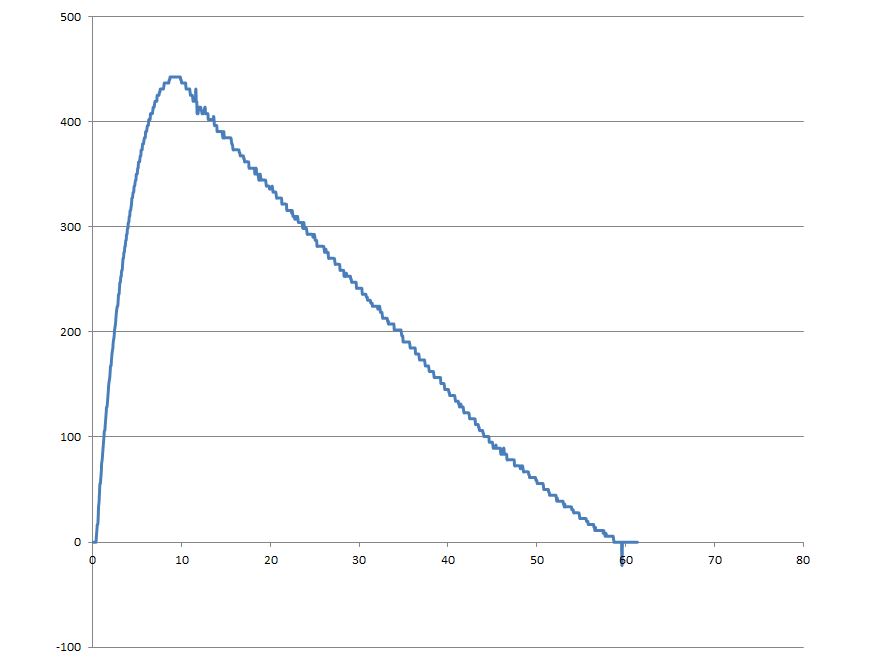
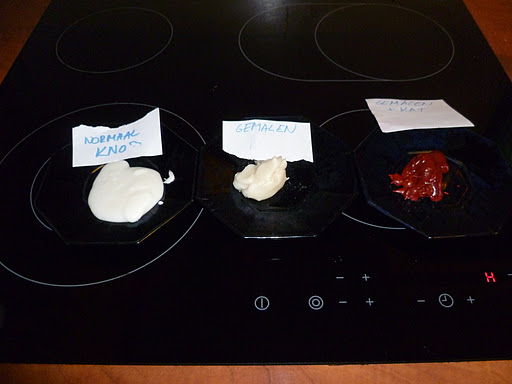
Same sequence in movie
Grinding results in a smoother burn, but did not increase burn rate dramatically.
First test using the easy-radio telemetry system.